
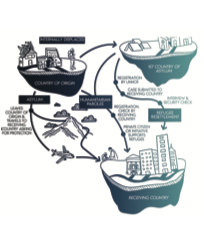
Systemic health inequalities among immigrant and refugee populations in the United States are not natural occurrences; rather, they are often the result of structural and institutional barriers embedded within healthcare and social systems. The United States hosts a large number of immigrants from different parts of the world who come from diverse educational, cultural, and socioeconomic backgrounds. One group includes educated immigrants who still face significant language and cultural barriers that prevent them from effectively navigating the healthcare system. Another group consists of refugees who have spent most of their lives in refugee camps with little or no access to formal education. This situation further complicates their ability to access healthcare services because some individuals are unable to read or write in either their native language or in English. Consequently, accessing healthcare, understanding medical instructions, obtaining health insurance, and addressing social determinants of health such as housing, transportation, education, and employment become extremely difficult for this vulnerable population. Similar challenges are also observed in Canada, Mediterranean European countries, Scandinavian countries, and Australia, where increasing immigrant and refugee populations continue to settle.
Although federal regulations such as the Culturally and Linguistically Appropriate Services (CLAS) Standards were intentionally designed to reduce disparities in healthcare access, significant health inequities still persist. One major challenge is the lack of standardized and detailed data regarding immigrant and refugee populations, particularly concerning literacy levels, cultural barriers, health literacy, and migration experiences. Without accurate and comprehensive data, healthcare systems and policymakers are unable to design evidence-based interventions that effectively address the unique needs of these communities. This demonstrates how systemic inequality can unintentionally be reinforced when healthcare systems are designed without considering the social and environmental realities affecting vulnerable populations.

Intentional and deliberate action is therefore necessary to bridge these health inequalities. One important initiative could involve expanding community health worker and patient navigator programs specifically tailored for immigrant and refugee communities. These programs would recruit and train bilingual and culturally competent individuals from the same communities to assist patients with healthcare navigation, interpretation, health education, transportation coordination, and access to social services. Such programs would intentionally address barriers related to language, literacy, culture, and trust while incorporating the social-ecological model, which recognizes that health outcomes are influenced not only by individual behaviors but also by social, community, institutional, and policy-level factors.
In addition, a new strategy to further reduce health inequalities would be the development of a national culturally responsive health literacy program designed specifically for low-literacy immigrant and refugee populations. This program could utilize visual aids, oral communication methods, mobile outreach clinics, and community partnerships instead of relying primarily on written materials.
The program would intentionally address structural barriers by adapting healthcare communication to the realities of patients with limited literacy and language proficiency. By focusing on intentionality, cultural responsiveness, and social conditions, this approach could improve healthcare access, patient understanding, preventive care utilization, and overall health equity among immigrant and refugee populations.
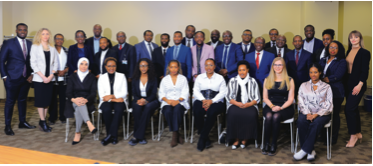
EHA multilingual and multicultural staff members
A strong example of intentional and community-based action to reduce health inequalities can be seen in the work of Ebenezer Healthcare Access (EHA) in Ohio. According to the organization's annual report, EHA addresses healthcare disparities among immigrants and refugees through culturally responsive and multilingual services that intentionally target structural barriers affecting healthcare access.
EHA utilizes trained Community Health Workers (CHWs) who conduct home visits, assess family health needs, provide health education, coordinate transportation, assist with medical scheduling, and offer interpretation and translation services. The organization also addresses broader social determinants of health, including employment, housing, education, and food assistance. In 2025 alone, EHA served 2,866 refugees and immigrants from 24 countries and provided more than 37,426 service pathways to help individuals navigate healthcare and community systems.
One of the most important best practices demonstrated by EHA is its intentional design around the lived realities of immigrant and refugee communities. Rather than expecting vulnerable populations to adapt to a complex healthcare system, EHA adapts healthcare navigation and communication strategies to the cultural, educational, and linguistic needs of the populations it serves. The organization recognizes that language barriers, illiteracy, transportation difficulties, and lack of health literacy are interconnected social and environmental factors that directly influence health outcomes.
This approach reflects the social-ecological model by addressing individual, interpersonal, community, and institutional factors simultaneously.
Building on these best practices, healthcare systems and policymakers should consider expanding culturally responsive community health worker programs nationwide, particularly for low-literacy refugee populations. Future programs should also improve the collection of standardized and detailed data on immigrant and refugee communities to better inform evidence-based interventions. Intentional investments in culturally competent care, health literacy support, community partnerships, and social determinant interventions are essential steps toward reducing systemic health inequalities and achieving health equity for immigrant and refugee populations.
Addressing Health Inequities in Immigrant and Refugee Communities Through Intentional Healthcare Design
PDF